Hello, I’m Fabrizio, I’m the proud owner of
Fabulous Finishing.
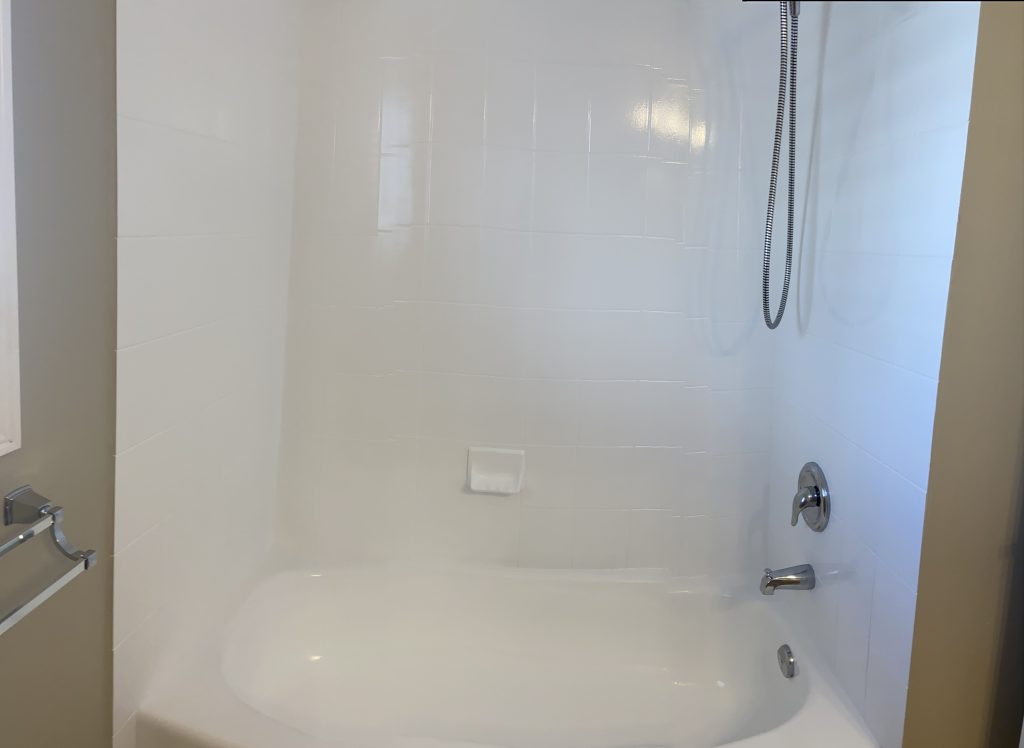
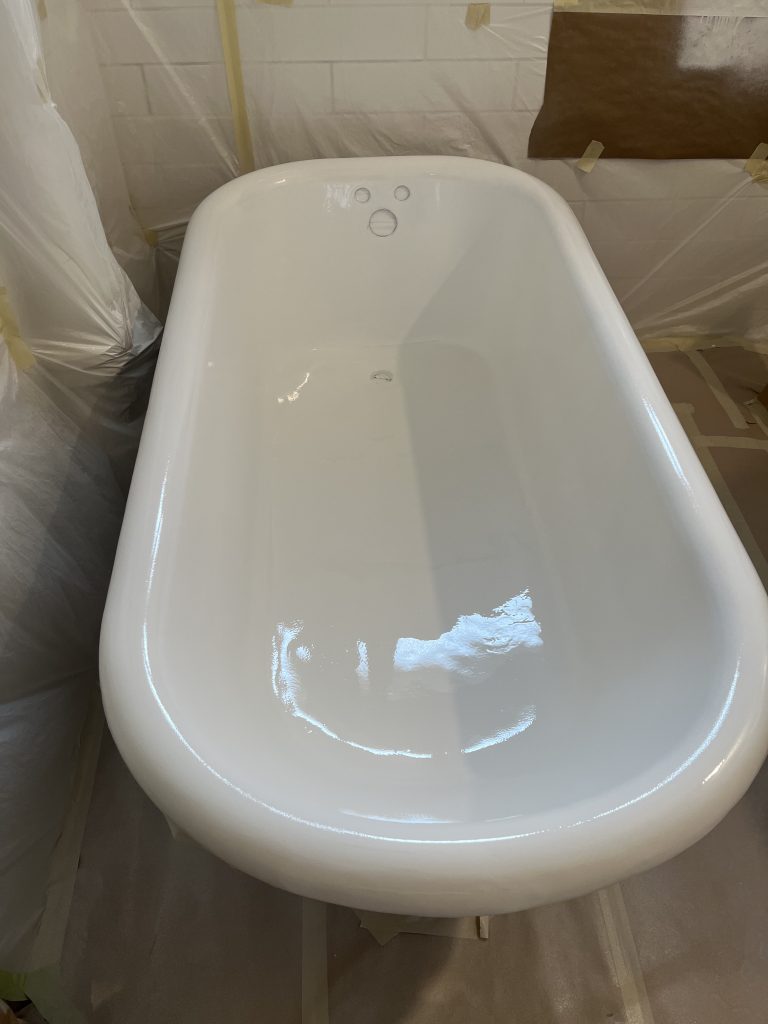
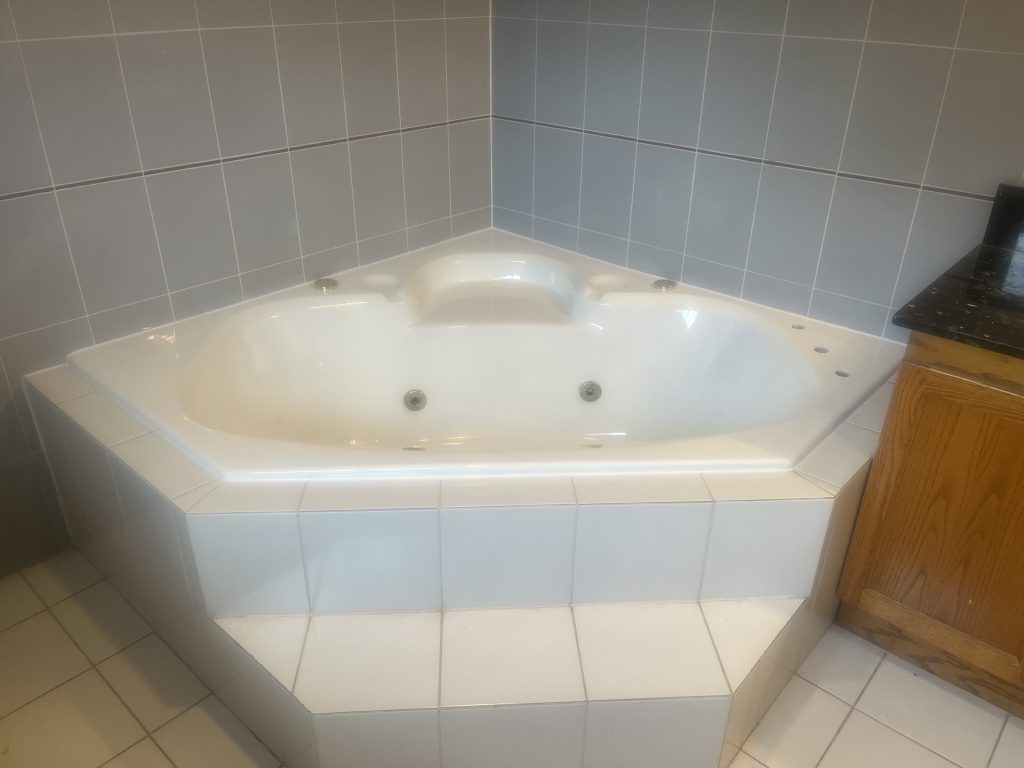
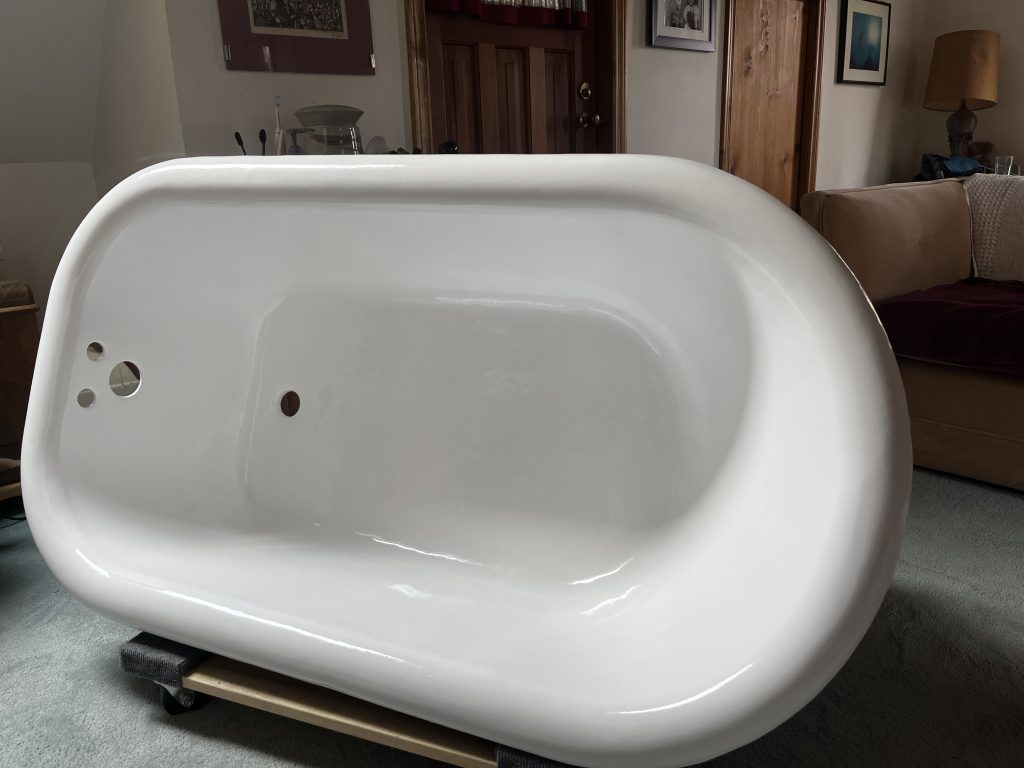
I take enormous pride in refinishing tubs and tiles for my valued customers, breathing new life and rejuvenation into bathrooms throughout Hamilton, Halton, Niagara, Waterloo and Guelph Regions. I bring my passion and over 10 years of experience to every job. It’s such a privilege to be trusted in the homes and bathrooms of my customers. I truly do care about every job and take great pride in a job well done.

Why Choose Fabulous Finishing?

Integrity
I’m a family man and I know how much of a privilege it is to be invited into your home. I respect every customer and strive to treat their home as though it were my own. I run a very tidy job site, properly exhaust the fumes out of your house, and don’t prolong down time for your home. I can usually be in and out in a few hours with virtually no interruption to your daily routine

Premium Materials
We don’t compromise on our materials. While the other guys may say they use good quality products, we will not compromise and only use the absolute best products to refinish your tub or tile. This makes a huge difference in the initial result but also in the long-term performance and durability of the finish. We use LOW VOC acrylic coatings, UV resistance (not turn yellow), to provide extended color retention and brightness for years.

Craftsmanship
As the business owner I take pride in each and every job. This is what I do and I don’t leave the job until it’s right! Other companies sub out the work, but I take my 10 plus years of experience and passion and transform your tub or tile. All of our premium coatings are sprayed on (not rolled) with a finish only achievable through years of experience. We install an efficient portable exhaust system to reduce the odour and fumes inside the job site.
Bathroom Sink Refinishing Guelph
Bathroom sink refinishing Guelph homeowners are increasingly choosing as a cost-effective alternative to replacement. When your porcelain, ceramic, or cultured marble sink shows signs of wear, discoloration, or surface damage, refinishing restores both its appearance and function. This guide walks you through the professional refinishing process so you understand exactly what happens when you contact a refinishing specialist in Guelph, Waterloo, Cambridge, or surrounding areas of Ontario.
Sink refinishing, also called reglazing, involves applying a specialized coating system that bonds to your existing fixture's surface. Unlike replacement, which requires plumbing work and generates significant waste, refinishing takes 24-48 hours total and costs approximately 50-70% less than new sink installation. By the end of this guide, you'll understand the preparation, application, and curing phases that professional refinishing companies use across Hamilton, Halton Region, Niagara, and Kitchener.
Step 1: Assess Your Sink's Condition and Gather Materials
Before beginning any refinishing work, evaluate your sink carefully. Look for chips, cracks wider than hairline fractures, deep stains, rust spots, or areas where the glaze has worn away entirely. Run your hand across the surface to identify rough patches and discoloration. Document the sink's material-porcelain, vitreous china, cultured marble, or acrylic-because different materials require slightly different preparation approaches.
Gather these essential materials and tools: 120-grit, 220-grit, and 400-grit sandpaper; TSP (trisodium phosphate) cleaner or strong degreaser; drop cloths and plastic sheeting; painter's tape; safety glasses and respiratory protection; rubber gloves; a well-ventilated workspace or fan system; fiberglass repair epoxy (for chips); primer suitable for porcelain or ceramic; and a high-quality porcelain refinishing coating. Professional bathroom sink refinishing Guelph specialists source premium two-part epoxy or polyurethane systems that cure harder and last longer than single-part products.
Step 2: Prepare the Workspace and Protect Surrounding Areas
Proper preparation prevents overspray damage and contamination. Turn off the water supply to the sink and allow any remaining moisture to evaporate completely. Remove any items from the sink, shelves, and surrounding counters. Lay down plastic sheeting to cover flooring, cabinets, mirrors, and fixtures within a 6-foot radius, securing edges with painter's tape.
Mask the sink's overflow hole and drain opening with painter's tape wrapped tightly around the openings. Ventilation is critical-open windows, position fans to create air flow away from your work area, and consider wearing a respirator rated for organic vapors. The fumes from refinishing products are strong and require proper air exchange. Temperature and humidity matter significantly; work in conditions between 60-75 degrees Fahrenheit with relative humidity below 85% for optimal coating application and curing.
Step 3: Clean, Sand, and Repair Damaged Areas
Cleaning removes soap residue, hard water deposits, and oils that prevent coating adhesion. Fill the sink with hot water mixed with TSP cleaner (follow package directions) and let it sit for 10-15 minutes. Scrub all surfaces with a non-abrasive sponge, then drain and rinse thoroughly with clean water. For stubborn stains, use a magic eraser or soft-bristle brush, but avoid harsh scouring that damages the glaze further.
Once clean and dry, sanding is the most critical preparation step. Begin with 120-grit sandpaper in circular motions, working the entire interior surface, walls, and rim. This removes gloss and creates texture for coating adhesion. Progress to 220-grit paper to refine the surface smoothness, then finish with 400-grit for a fine, uniform finish. Vacuum dust thoroughly between grits, then wipe with a tack cloth or damp cloth. For any chips or gouges, apply fiberglass repair epoxy according to product instructions, let cure completely, then sand flush with the surrounding surface. This step separates amateur attempts from professional-quality bathroom sink refinishing Guelph contractors deliver.
Step 4: Apply Primer and Refinishing Coating Layers
Once sanding is complete and the surface is dust-free, apply primer. Mix the primer according to product specifications-typically a 1:1 or 2:1 ratio of base to hardener. Using a high-quality brush or foam applicator, apply one even coat covering all surfaces. Work methodically from top to bottom, back to front, avoiding drips. Primer typically dries in 2-4 hours depending on temperature and humidity.
After primer cures, lightly sand with 400-grit paper again to ensure the refinishing coating adheres properly. Clean away all sanding dust. Now mix your porcelain refinishing coating following the manufacturer's exact ratio and pot life instructions. Two-part systems remain workable for 20-40 minutes, so don't mix more than you can apply in that window. Using a quality brush, roller, or spray application (spray provides superior smoothness but requires skill), apply the first coat in thin, even layers. Most professional bathroom sink refinishing Guelph specialists apply 2-3 coats, allowing proper drying between each. Each coat typically requires 4-8 hours before recoating, though full cure time extends to 24-48 hours before the sink can hold water or receive normal use.
How long does bathroom sink refinishing Guelph typically take from start to finish?
Complete refinishing including preparation, repair, primer, and coating application takes approximately 4-6 hours of active work time, but the full process requires 24-48 hours because of curing time between coats and final hardening. You cannot use the sink during this period, so planning around your schedule is important.
What's the difference between refinishing and replacing a bathroom sink?
Refinishing restores your existing sink by applying a durable new coating system, costing 50-70% less than replacement and taking 1-2 days total. Replacement removes the old sink, requires plumbing disconnection and reconnection, generates disposal costs, and typically takes 2-3 days with additional expense for materials and labor. Refinishing makes sense when the sink's structure and plumbing are sound but the surface appearance has degraded.
Will a refinished sink last as long as a new one?
When applied using professional techniques and quality two-part coating systems, refinished sinks last 10-15 years with proper care. The coating durability depends on maintenance-avoiding abrasive cleaners, using gentle scrubbing, and preventing standing water extends the finish lifespan significantly. Bathroom sink refinishing Guelph specialists like those serving Hamilton, Halton Region, and surrounding Ontario areas use marine-grade and commercial-grade finishes designed for high-moisture environments.
Can all sink materials be refinished?
Porcelain, vitreous china, acrylic, fiberglass, and cultured marble sinks can all be successfully refinished. Cast iron with porcelain enamel coating, stainless steel, and solid surface materials also respond well to refinishing. The key is proper material identification and selecting a coating system compatible with that material-this is why consulting professionals across Milton, Cambridge, Kitchener, and Waterloo regions ensures correct approach for your specific sink.
When to Call Professional Bathroom Sink Refinishing Specialists
While this guide explains the refinishing process, professional application differs significantly from DIY attempts. Specialists possess industrial equipment, professional-grade materials unavailable to homeowners, expertise in spray application for flawless finishes, and knowledge of regional humidity and temperature factors affecting curing. They carry liability insurance and warranty their work, providing peace of mind your family relies on.
At Fabulous Finishing, owner Fabrizio brings over 10 years of bathroom fixture restoration experience serving homeowners and commercial clients throughout Hamilton, Halton Region, Niagara, Waterloo, Guelph, Burlington, Oakville, Cambridge, Kitchener, and Milton. Whether your sink needs repair, your bathtub requires reglazing, or your tile surfaces need restoration, understanding the professional process-as outlined in this guide-helps you appreciate the craftsmanship and attention to detail that separates quality refinishing from temporary fixes. Contact a local specialist to transform your tired bathroom fixtures into restored focal points.
Frequently Asked Questions
How long does bathroom sink refinishing Guelph typically take from start to finish?
Complete refinishing including preparation, repair, primer, and coating application takes approximately 4-6 hours of active work time, but the full process requires 24-48 hours because of curing time between coats and final hardening. You cannot use the sink during this period, so planning around your schedule is important.
What's the difference between refinishing and replacing a bathroom sink?
Refinishing restores your existing sink by applying a durable new coating system, costing 50-70% less than replacement and taking 1-2 days total. Replacement removes the old sink, requires plumbing disconnection and reconnection, generates disposal costs, and typically takes 2-3 days with additional expense for materials and labor.
Will a refinished sink last as long as a new one?
When applied using professional techniques and quality two-part coating systems, refinished sinks last 10-15 years with proper care. The coating durability depends on maintenance-avoiding abrasive cleaners, using gentle scrubbing, and preventing standing water extends the finish lifespan significantly.
Can all sink materials be refinished?
Porcelain, vitreous china, acrylic, fiberglass, and cultured marble sinks can all be successfully refinished. The key is proper material identification and selecting a coating system compatible with that material to ensure quality results.